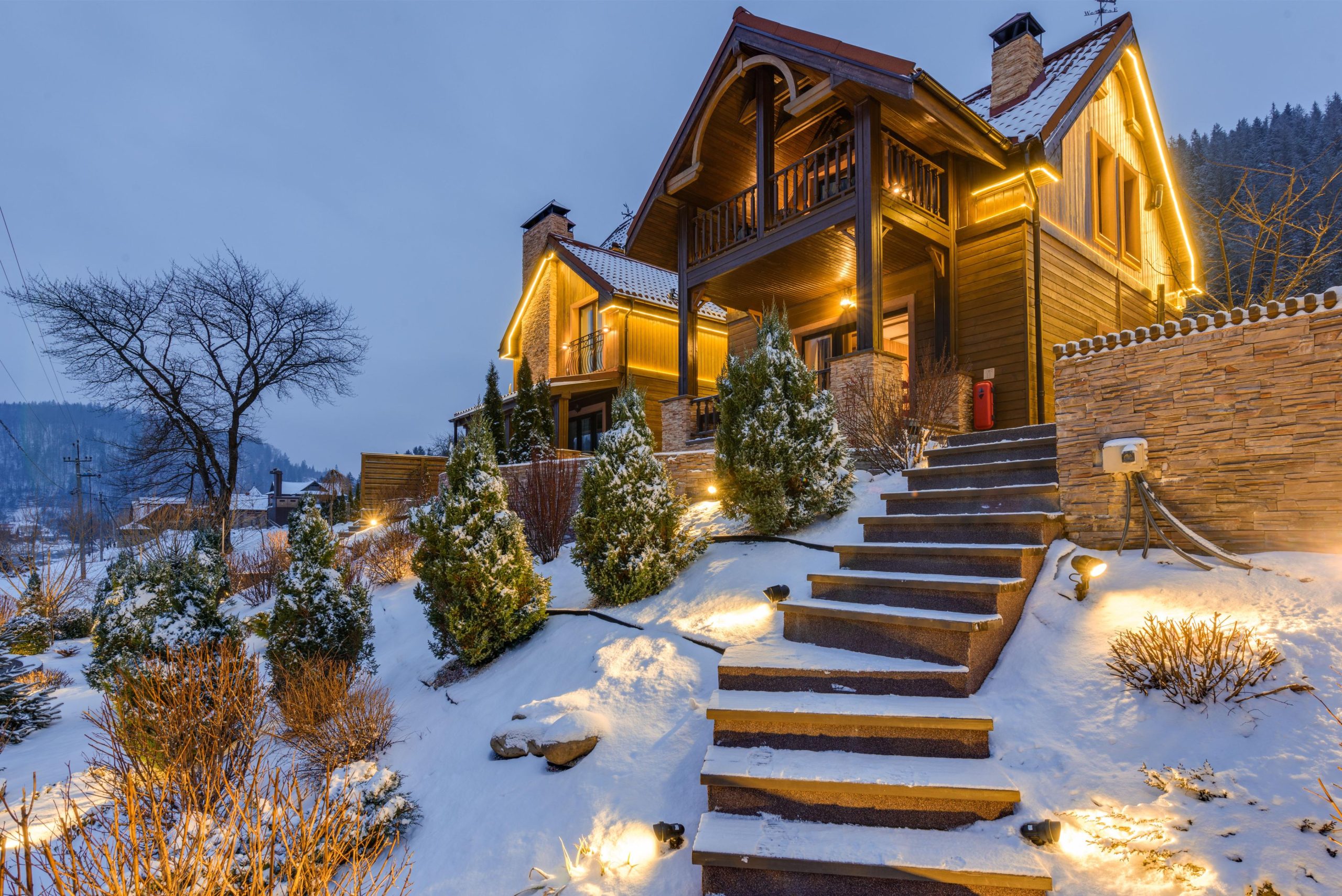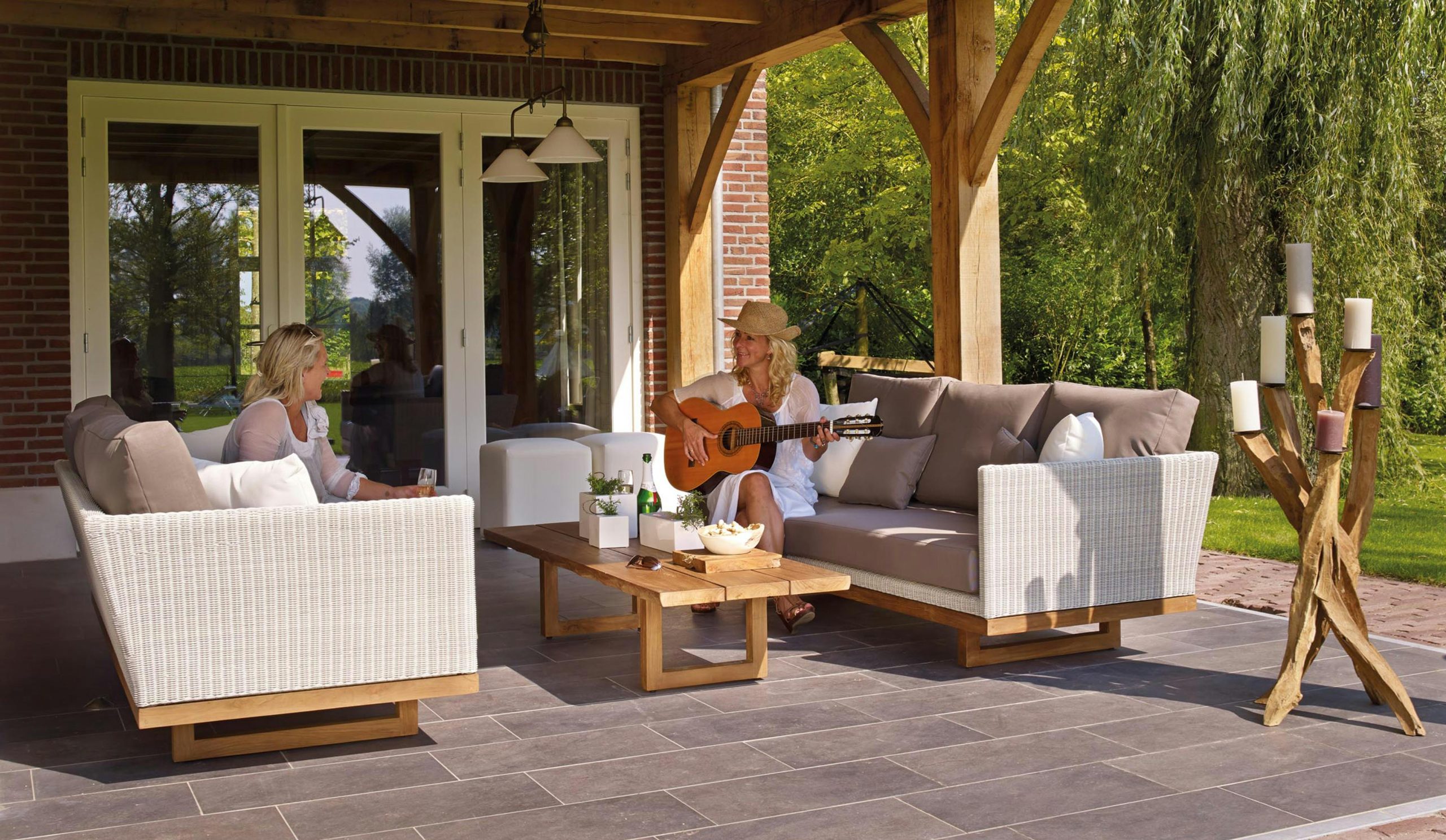
First impressions are incredibly powerful, and when it comes to your home, that impression starts at the curb. The exterior of your property sets the tone for what lies inside, shaping how guests, neighbors, and potential buyers perceive its value, character, and overall upkeep. True curb appeal, however, is about far more than just slapping on a fresh coat of paint or planting a few colorful flowers. The most successful exterior transformations find a perfect balance where form meets function. By focusing on upgrades that serve a dual purpose, protecting your home’s structural envelope, lowering long-term maintenance costs, and expanding your usable outdoor living space, you ensure that your hard-earned investments pay off both aesthetically and practically.
Design Layered Garden Beds Using the “Rule of Three”
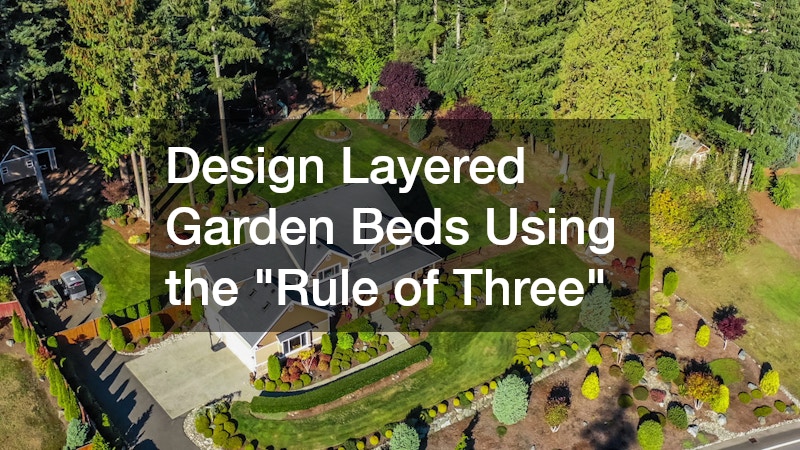
Creating a visually dynamic garden bed requires structure, depth, and a careful consideration of seasonal changes. Instead of planting a single row of uniform shrubs, design your beds with three distinct layers to create depth and texture:
- The Background (Structure): Place taller, evergreen shrubs or dwarf conifers closest to the foundation. These plants serve as the year-round structural anchor, hiding unsightly foundation concrete and keeping the yard green even in the dead of winter.
- The Midground (Texture & Color): Position medium-height deciduous shrubs, ornamental grasses, or long-blooming perennials in the center. This layer introduces movement, changing colors, and soft textures that transition smoothly between the background and foreground.
- The Foreground (Detail & Softness): Line the very edge of the garden beds with low-growing groundcovers, annual flowers, or trailing plants. This softens the transition between the garden bed and the lawn or walkway.
When planning these multi-dimensional layouts, working with professional landscape designers ensures that you choose native species tailored to your specific soil, sun exposure, and climate zone. These specialists can map out a blooming calendar so that as one species fades, another takes its place, keeping your front yard vibrant across all four seasons while minimizing water and maintenance needs.
Lift the Canopy to Flood Your Front Yard With Natural Light
Mature trees are invaluable assets that provide shade, structural beauty, and historical character to a property. However, when branches hang too low or grow too dense, they can cast gloomy shadows over your facade, block views from your windows, and trap moisture against your roof and siding, which promotes mold and mildew growth.
- Raise the canopy: Carefully removing the lowest limbs of a mature tree lifts its canopy, creating a clean line of sight from the street to your front door and allowing sunlight to reach understory plants.
- Crown thinning: Removing inner branches within the upper canopy allows sunlight to filter through to your lawn while improving wind resistance during heavy storms.
- Safety pruning: Removing dead, diseased, or crossing limbs prevents sudden branch failures that could damage your vehicles, power lines, or roof.
Because pruning large, mature trees is highly technical and dangerous, hiring professional tree services is essential. They possess the safety gear, rigging, and biological knowledge necessary to prune your trees without exposing them to disease, ensuring your trees remain healthy, stable, and visually stunning for decades.
Trade Basic Concrete Paths for Textures, Wide-Profile Walkways
A narrow, straight-line walkway can feel cold, institutional, and cramped. To make your entrance feel truly grand, your main walkway should be at least four feet wide, allowing two people to walk comfortably side-by-side.
- Introduce gentle curves: A subtly curved path slows down the approach, allowing visitors to appreciate your landscaping and home from different angles.
- Incorporate natural textures: Plain gray concrete can be replaced with materials that offer rich color and tactile interest, such as flagstone, slate, brick, or interlocking concrete pavers.
- Improve safety and accessibility: Ensure the surface is level and slip-resistant, with subtle, low-voltage path lighting along the edges to illuminate the journey at night.
If you love the seamless durability of poured concrete but want a more sophisticated look, consulting a local concrete contractor can open up a world of design options. Modern techniques allow for stamped concrete that mimics the look of premium slate or cobblestone, as well as exposed aggregate finishes that reveal beautiful, natural stone textures while maintaining a solid, long-lasting surface.
Construct Low Stone Borders to Tame Slopes and Define Garden Edges

If your front yard has a slope, water runoff can wash away topsoil, ruin your garden beds, and leave your lawn looking patchy and uneven. Low-profile stone retaining walls and borders solve this functional challenge while adding strong, clean architectural lines to your landscape.
- Tear down steep slopes: Creating a series of terraced, level garden beds using low walls transforms a difficult-to-mow slope into an elegant, tiered showcase for plants.
- Incorporate built-in seating: A low wall made of premium stone can double as casual seating near a patio or driveway entrance.
- Create clean borders: Installing stone or brick edging along your garden beds prevents grass from creeping into your soil and keeps mulch from spilling onto your lawn or walkways.
To ensure these structures stand the test of time, collaborating with experienced mason contractors is a wise decision. They understand how to engineer proper gravel drainage bases, install weep holes to relieve water pressure, and choose stone materials that complement the existing brick or stone masonry found on your home’s foundation or chimney.
Replace Faded Cladding With Low-Maintenance, High-Efficiency Materials
Siding accounts for the vast majority of your home’s visible exterior surface area. Over time, sunlight, moisture, and temperature fluctuations can cause old wood siding to rot, vinyl to warp, or paint to chalk and fade. Upgrading your siding is one of the most effective ways to instantly modernize your home’s aesthetic while bolstering its energy performance.
- Choose high-performance materials: Fiber cement, engineered wood, and high-grade insulated vinyl offer incredible durability, resisting rot, fire, insect damage, and extreme weather.
- Optimize thermal performance: Installing continuous exterior insulation beneath your new cladding eliminates thermal bridging, keeping your home warmer in the winter and cooler in the summer.
- Introduce contrasting textures: Consider mixing traditional lap siding with modern board-and-batten vertical siding on gables or entryways to create visual interest.
To navigate the endless options of colors, profiles, and trim details, it is best to partner with local siding services. These regional professionals understand the specific weather challenges of your climate zone and can recommend materials that will keep your home insulated, dry, and beautiful with minimal maintenance.
Accent Your Roofline With Architectural Shingles or Metal Returns
Your roof can account for a significant portion of your home’s visible exterior from the street. If your shingles are curling, streaked with dark algae, or missing altogether, no amount of landscaping can salvage your curb appeal. A new, well-designed roof provides peace of mind while acting as a crowning design element for your home.
- Upgrade to dimensional shingles: Unlike flat, traditional three-tab shingles, architectural shingles feature varying thicknesses and shapes, creating deep shadow lines that mimic the look of natural wood shakes or slate.
- Utilize metal accents: Adding standing-seam metal roofing over accent areas, like bay windows, front porches, or porticos, creates a beautiful contrast of textures and colors against traditional shingles.
- Improve attic ventilation: Modern ridge vents and soffit intake systems keep your roof cool, preventing ice dams in the winter, reducing cooling costs in the summer, and extending the lifespan of your roof.
When planning a roof replacement, hiring reputable roofing contractors is critical to protecting your investment. They will ensure your roof is properly flashed around chimneys and valleys, install high-quality underlayments, and back their work with warranties that protect your home’s structure for decades.
Power Up Your Facade With a High-Contrast Trim and Accent Palette
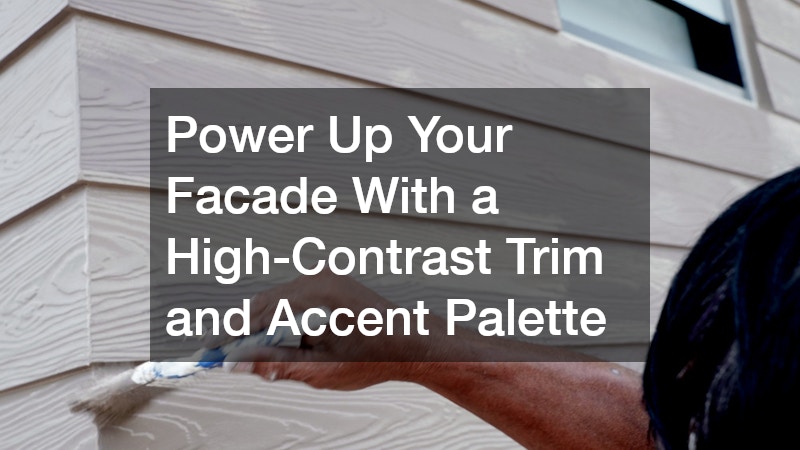
Paint is one of the fastest, most cost-effective ways to transform a home’s appearance. However, choosing the right colors requires a deliberate strategy. A classic design principle is the 60-30-10 rule: 60% of your exterior should be your dominant siding color, 30% should be your trim, garage doors, and fascia, and 10% should be reserved for a bold accent color on your front door or shutters.
- Embrace high contrast: Pairing light siding with dark trim, or dark siding with crisp, white trim, creates a sharp, clean look that highlights your home’s architectural lines.
- Opt for modern neutrals: Earthy tones, charcoal grays, warm sages, and muted creams feel sophisticated, timeless, and harmonize beautifully with natural surroundings.
- Focus on prep work: The key to a paint job that lasts for decades lies in thorough scraping, sanding, caulking, and priming to protect the underlying wood or masonry.
Enlisting professional painting contractors ensures that these tedious prep steps are executed perfectly. They have the scaffolding, commercial sprayers, and paint knowledge to apply even, weather-resistant coatings on challenging surfaces like high soffits, stucco, or ornate trim, giving your home a flawless, durable finish.
Make a Statement With a Heavy-Set, Architecturally Correct Front Door
The front door is the heart of your home’s curb appeal. It is the physical point of contact for everyone who enters, meaning its weight, material, and design leave a lasting impression.
- Choose materials that perform: Solid wood offers unmatched warmth and beauty, while modern fiberglass doors can be molded to look exactly like wood but offer superior insulation and resistance to warping.
- Incorporate glass elements: Sidelights, transoms, or glass panels within the door itself flood your entryway with natural light and create a bright, inviting foyer inside.
- Upgrade your hardware: Replace cheap, tarnished locksets with heavy-duty, modern smart locks and matching handlesets in finishes like matte black or satin brass to instantly elevate the feel of the entry.
Because installing an exterior door requires precise leveling, weather stripping, and framing to prevent drafts and water leaks, utilizing custom door services is highly recommended. These specialized installers can help you choose or design a door that fits your home’s specific architectural style, whether that is a craftsman, mid-century modern, or classic colonial, while ensuring a secure, energy-efficient fit.
Smooth Out the Approach With Crisp Borders and Flawless Pavement
Your driveway is often the very first thing people see as they pull up to your property. A cracked, stained, or uneven driveway can quickly ruin the overall impression of a beautifully maintained home. Maintaining and enhancing this hardscape is essential for both vehicle safety and overall aesthetics.
- Repair and resurface: Patching small cracks and applying a fresh, dark seal coat to asphalt driveways instantly restores a clean, uniform appearance.
- Add decorative borders: Framing your driveway with a border of Belgian blocks, brick pavers, or cobblestones prevents the edges from crumbling and adds a premium, tailored frame to your approach.
- Incorporate a paver apron: Installing a decorative section of interlocking pavers where your driveway meets the street creates a welcoming transition zone that sets your property apart from the neighborhood.
If your driveway is beyond simple repairs, investing in professional driveway paving is a smart move. A commercial team can grade the land to ensure rainwater flows away from your foundation, lay down a durable gravel base, and apply a fresh layer of asphalt or concrete that will withstand heavy vehicle traffic for years to come.
Extend Your Indoor Living Space Right Onto the Front Lawn
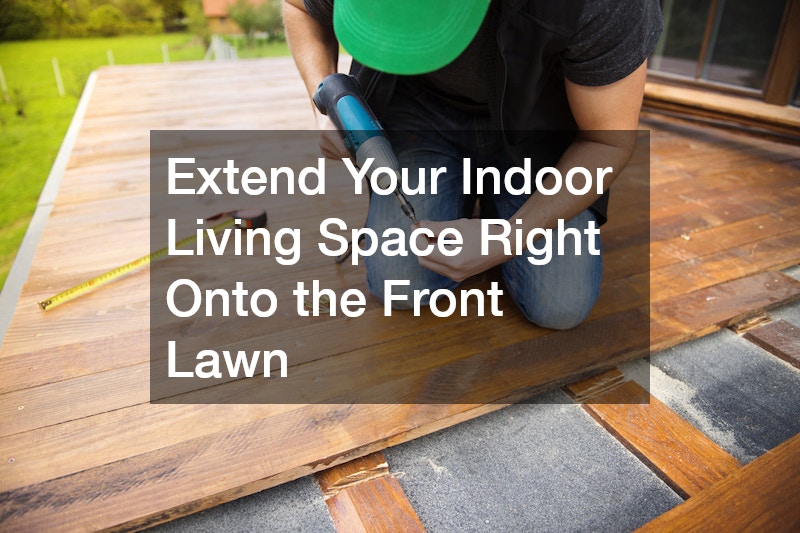
For decades, the backyard was the sole focus for outdoor relaxation. Today, homeowners are realizing the incredible social and spatial benefits of utilizing their front yards. Creating an inviting front porch or seating area fosters a sense of community, allowing you to wave to neighbors, watch your kids play, and enjoy morning coffee in the fresh air.
- Create comfortable seating zones: Even a small front porch can accommodate a pair of classic rocking chairs, a hanging swing, or a small bistro table.
- Incorporate integrated lighting: Soft, low-voltage LED lights set into stair risers, posts, or railings make your front seating areas safe and incredibly cozy after the sun goes down.
- Choose low-maintenance materials: Using composite decking or pressure-treated lumber ensures your front porch remains durable and free of splinters without requiring annual staining.
If you are starting from scratch or want to expand a small concrete stoop into a spacious, wrap-around porch, hiring skilled deck builders is the best way to bring your vision to life safely. They can ensure your porch is structurally sound, properly permitted, and visually integrated with the existing lines of your home, creating a functional, beautiful outdoor room that dramatically boosts your curb appeal.
Maximizing your home’s curb appeal is a journey that goes beyond simple touch-ups. By focusing on projects that blend aesthetics with functionality, such as stabilizing slopes, upgrading roofing and siding, optimizing tree canopies, and creating transition spaces, you build an exterior that is durable and beautiful. When planning updates, conduct a curb appeal audit: step to the curb, take a high-resolution photo of your home, and convert it to black-and-white. This helps spot overgrown landscaping, lacking trim contrast, or worn-down hardscapes. By prioritizing projects based on budget, climate, and seasonal needs, you can transform your property into the standout home of the neighborhood, one thoughtful upgrade at a time.