Increasing your home’s value doesn’t always require a major renovation. Some of the most worthwhile improvements are projects that improve curb appeal, protect the structure, increase comfort, or reduce future maintenance.
The right projects depend on the condition of your property. A home with an aging roof may need a different investment strategy than one with solid systems but an outdated exterior. Your budget, neighborhood, and how long you plan to stay should also influence your priorities.
Before spending heavily on cosmetic improvements, look at the home as a whole. Address deferred maintenance first, identify systems that may be nearing the end of their useful life, and then focus on upgrades that improve both daily living and future resale appeal.
Strengthen Curb Appeal Before Tackling Interior Projects
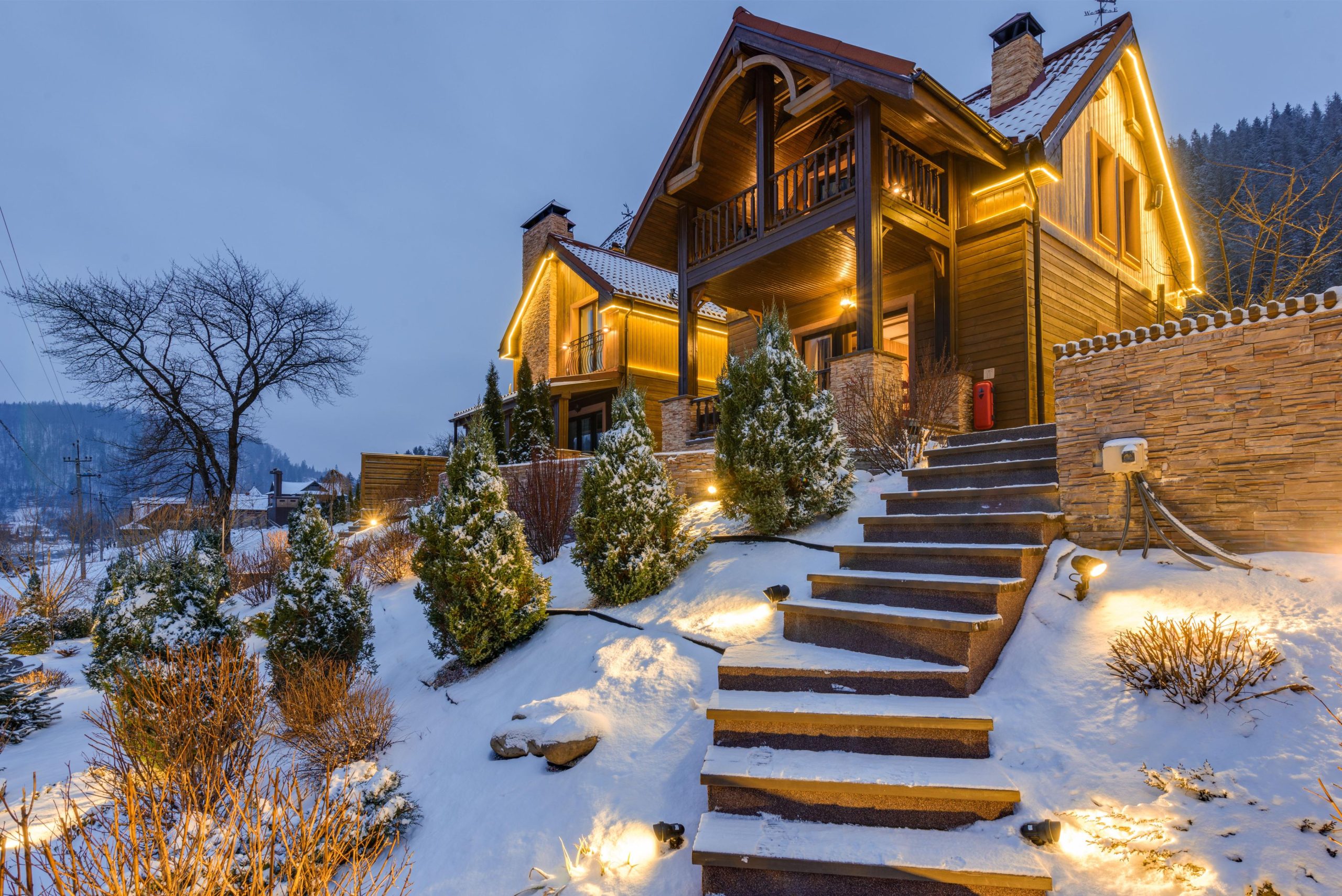
Buyers begin forming an opinion about a property before they walk through the front door. The driveway, landscaping, exterior finishes, entryway, and garage all contribute to the home’s first impression.
Start by looking at your property from the street. Taking a photo can make faded paint, damaged trim, overgrown shrubs, and other issues easier to notice.
The garage door is especially important when it faces the street because it may occupy a large portion of the front elevation. A dented, faded, or dated door can affect the appearance of the entire property.
Not every garage door needs replacement. Cleaning, repainting, hardware updates, and minor repairs may be enough. A door that shakes, struggles to open, or makes excessive noise may require professional attention. A garage door company can inspect the door, tracks, springs, opener, and safety features and help determine whether repair or replacement makes sense.
If you do replace the door, choose a design that complements the home’s architecture rather than simply following a current trend.
Landscaping offers another opportunity to improve curb appeal without remodeling the home itself. Focus on making the property look healthy, maintained, and intentional rather than filling every empty space with plants.
Consider these improvements:
- Trim overgrown vegetation: Keep windows, walkways, siding, and architectural details visible.
- Remove declining plants: Dead or unhealthy shrubs can make an otherwise attractive yard look neglected.
- Refresh planting beds: Mulch, edging, and a few well-placed plants can create a cleaner appearance.
- Improve the entry path: Repair cracked walkways and keep the route to the front door easy to follow.
- Add long-term structure: Trees can provide shade, privacy, and visual balance when planted in suitable locations.
When adding larger trees, tree planting services can help select species based on climate, available space, soil conditions, and mature size. Proper placement is important because a tree that looks small today may eventually interfere with structures, utilities, or neighboring properties.
Curb appeal projects work best when they make the home appear well cared for. Clean, functional exterior features often provide more lasting value than decorative additions that demand frequent upkeep.
Protect the House From Water and Weather Damage
A renovated interior won’t add as much value if the home has an aging roof or signs of water intrusion. Structural protection should usually come before cosmetic improvements because moisture can damage multiple areas of the home at once.
Start with a visual roof inspection from the ground. Look for missing shingles, damaged areas, uneven rooflines, debris buildup, loose flashing, or staining. Inside, check attic spaces for water marks, damp insulation, musty odors, or other signs of leakage.
A roof problem doesn’t always mean full replacement is necessary. Damage around flashing, vents, chimneys, or a limited section of shingles may be repairable. Established roofers can evaluate whether the problem is isolated or part of more widespread deterioration.
Roof age matters as well. If the roof already shows significant wear and is approaching the end of its expected life, repeatedly paying for small repairs may be less practical than planning for replacement.
When replacement is necessary, don’t choose a contractor based solely on price or shingle color. Proper installation involves underlayment, flashing, ventilation, drip edges, decking, and water management.
When speaking with roof installers, ask about:
- Existing material removal: Find out whether old roofing will be removed before new materials are installed.
- Damaged decking: Ask how deteriorated sheathing will be identified and priced.
- Flashing details: Pay attention to valleys, chimneys, skylights, walls, and roof penetrations.
- Attic ventilation: Proper ventilation can help control heat and moisture buildup.
- Warranty coverage: Clarify the difference between material and workmanship warranties.
- Property protection: Ask how siding, landscaping, windows, and driveways will be protected.
Also inspect siding, trim, windows, doors, and exterior penetrations. Water often enters where different building materials meet.
Address discoloration, peeling paint, soft drywall, swollen trim, and musty odors promptly. Finding the source early may prevent a relatively small repair from becoming damage to insulation, framing, flooring, or interior finishes.
Improve Drainage Around the Home Before Problems Develop
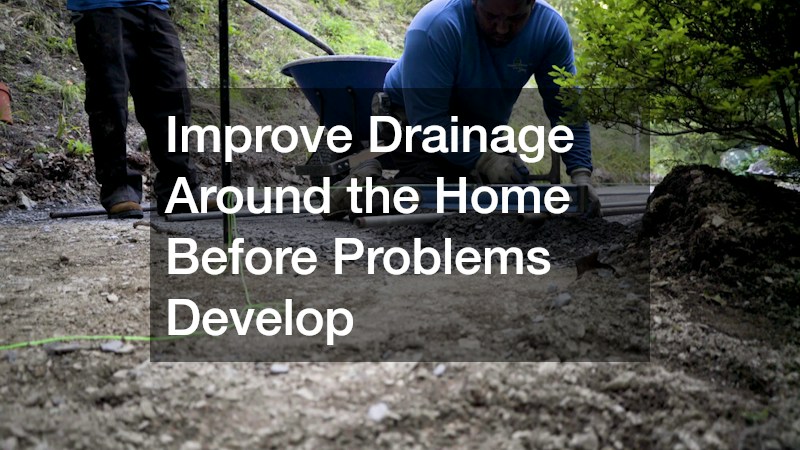
Rainwater needs a clear path away from your home. Poor drainage can contribute to erosion, foundation moisture, damaged siding, landscaping problems, and water entering basements or crawl spaces.
Gutters are the first line of defense. Watch them during a steady rain if it’s safe to do so. Look for overflowing sections, leaking joints, water running behind the gutter, and downspouts that discharge directly beside the foundation.
Leaves aren’t the only source of clogs. Gutters may also collect pine needles, seeds, roofing granules, dirt, and nesting material. Homes surrounded by mature trees may need attention more often than properties in open areas.
Gutter cleaning services can be useful when the roofline is high, access is difficult, or homeowners prefer not to work from ladders.
Cleaning alone won’t solve every problem. Sagging gutters, loose fasteners, leaking seams, improper pitch, or undersized systems can prevent water from draining correctly.
If the system can’t handle normal rainfall even when clean, gutter installation may involve larger gutters, additional downspouts, or changes in layout.
Don’t ignore where the water goes after leaving the downspout. Roof runoff should continue away from the foundation rather than collecting next to the house.
Watch for:
- Standing water after storms
- Soil erosion near downspouts
- Mulch being washed out of planting beds
- Damp basement or crawl space areas
- Foundation staining
- Sunken or uneven walkways
- Areas where the yard slopes toward the home
Sometimes the solution is as simple as adding downspout extensions. Other situations may require grading changes or a more substantial drainage system.
Drainage projects may not be as visually exciting as new landscaping or paint, but they can protect many other investments you’ve made in the property.
Upgrade the Systems Buyers Depend on Every Day
Heating, cooling, and electrical systems aren’t usually the most visually appealing home upgrades, but they have a major effect on comfort and everyday usability.
Start with heating and cooling equipment. Older systems don’t always need immediate replacement, especially if they’re operating well and have been maintained. Consider age, repair frequency, comfort, efficiency, and overall condition.
Change filters as recommended and pay attention to rooms that remain noticeably warmer or colder than the rest of the house. The equipment itself may not always be responsible. Poor insulation, duct leaks, blocked registers, or airflow problems can also contribute.
If the system frequently breaks down or struggles to maintain comfortable temperatures, HVAC contractors can evaluate whether maintenance, repair, or replacement is appropriate.
Don’t automatically assume larger equipment will perform better. Heating and cooling systems should be sized properly for the house.
Other useful improvements may include:
- Sealing accessible ductwork
- Installing a programmable thermostat
- Improving attic insulation
- Sealing obvious air leaks
- Keeping outdoor equipment clear
- Correcting airflow restrictions
Electrical systems deserve similar attention. Older homes may have fewer outlets and circuits than modern households need. Homeowners today may use multiple computers, kitchen appliances, entertainment systems, outdoor equipment, and charging devices.
Frequently tripped breakers, warm outlets, damaged switches, buzzing sounds, or flickering lights should be investigated.
Qualified electrical services can also help with practical upgrades such as adding outlets, improving lighting, installing dedicated circuits, or preparing for new appliances and equipment.
When renovating a room, plan electrical needs before finishing walls. Ask whether the room has enough outlets, adequate lighting, conveniently placed switches, and sufficient capacity for future use.
Reliable systems may not create dramatic before-and-after photos, but they help a home function well and can reduce concerns about future repairs.
Improve Privacy, Function, and Everyday Outdoor Living

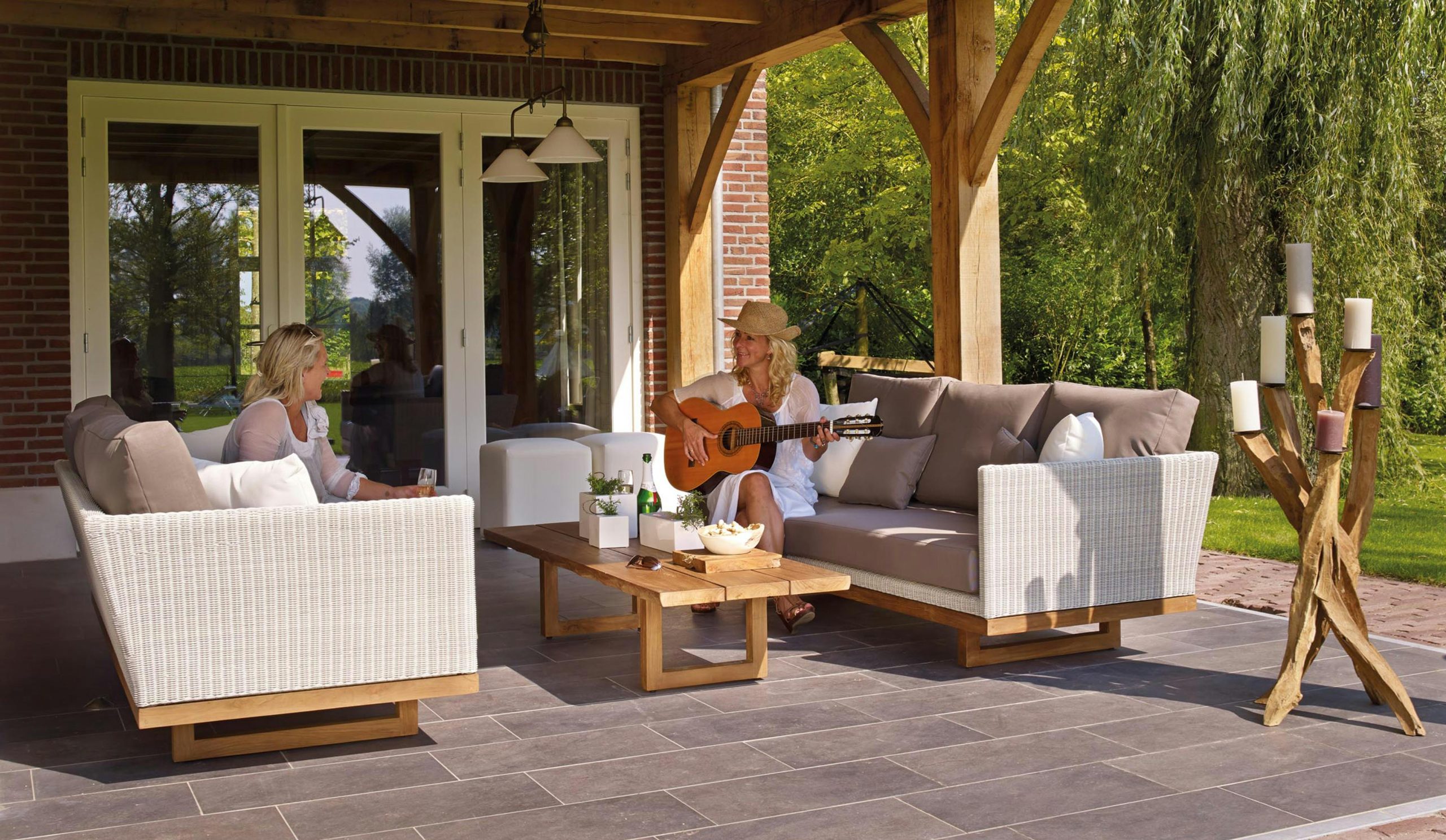
Outdoor spaces can make a property more useful without adding interior square footage. A well-planned backyard may provide room for entertaining, pets, children, gardening, or simply more privacy.
Start by deciding how you want to use the space. That should guide your improvements.
Fencing can create privacy, define property areas, secure pets, and separate activity zones. Material selection should reflect both appearance and maintenance needs.
Homeowners interested in a low-maintenance option may consider vinyl fence installation. Before beginning, confirm property lines, local requirements, setbacks, utility locations, and any neighborhood association rules.
Think carefully about gate placement and size as well. A gate that works for foot traffic may not be wide enough for lawn equipment, furniture, or future construction access.
Outdoor projects are also a good time to address plumbing problems. A beautiful patio loses some of its appeal when water is dripping from a nearby connection or a recurring leak is damaging the property.
Watch for:
- Water stains under sinks
- Corrosion around fittings
- Slow or recurring drain problems
- Unexplained pressure changes
- Running toilets
- Water heater leakage
- Moisture near exterior faucets
Local plumbers can help determine whether recurring issues originate with a fixture, supply line, drain, water heater, or another part of the plumbing system.
Addressing practical concerns before decorative improvements can also prevent finished areas from being disturbed later.
A useful order for outdoor upgrades is:
- Correct drainage and utility issues.
- Repair damaged patios, decks, or pathways.
- Add privacy or property boundaries.
- Improve landscaping and shade.
- Add lighting, furniture, and decorative features.
The most valuable outdoor upgrades aren’t necessarily the most elaborate. They make the yard easier to use, maintain, and enjoy.
Make Home Improvements With Long-Term Value in Mind

Increasing property value isn’t about completing as many projects as possible. It’s about identifying the improvements your particular home needs and addressing them in a logical order. A smaller number of well-planned upgrades can often provide more benefit than a long list of cosmetic changes that don’t address the property’s actual needs.
Start with repairs that protect the structure and prevent larger problems. Water intrusion, drainage concerns, deteriorated exterior materials, and unreliable systems should generally take priority because delaying those repairs can lead to more expensive damage. Once the fundamentals are in good condition, you can focus on projects that improve comfort, appearance, efficiency, and usability.
It can help to divide your improvement list into urgent repairs, worthwhile functional upgrades, and optional cosmetic projects. This keeps decorative work from taking priority over maintenance that protects the property. You can also assign each project a budget, estimated timeline, and priority level so you’re not trying to tackle everything at once.
Also consider how long you plan to stay. Homeowners preparing to sell may focus more on visible condition, curb appeal, and deferred maintenance, while someone planning to stay for another decade may prioritize durability, energy efficiency, and daily comfort. Your timeline can help determine whether a project needs to deliver an immediate visual impact or long-term value.
It’s also worth considering the expectations of your neighborhood. A major renovation that pushes your home far beyond nearby properties may not provide the return you expect. On the other hand, leaving obvious maintenance problems unresolved can make your property less competitive with similar homes in the area.
Avoid assuming every popular renovation will increase value. Trends change quickly, and highly personal finishes may not appeal to every future buyer. The strongest upgrades usually address an actual need, improve the property’s overall condition, reduce future maintenance, or make the home easier to use.
Before beginning a major project, compare the cost with the practical benefit it provides. Ask whether the improvement solves a recurring problem, extends the life of an important part of the home, improves functionality, or creates a noticeable improvement in everyday living. That kind of evaluation can help you spend more intentionally.
By taking care of the fundamentals first and approaching improvements strategically, you can gradually create a home that’s more appealing to future buyers while also making it more comfortable and enjoyable today. A thoughtful improvement plan lets you build value over time without feeling like every part of the property needs to be renovated at once.