A well-designed outdoor space can completely change how a home looks and feels. Yet for many homeowners, landscape design sounds technical, expensive, or overwhelming. Professional landscape design is not just about planting flowers or laying sod; it is about creating a functional, attractive environment that fits your lifestyle, climate, and property. This guide breaks down the basics in simple terms so you can understand what professional landscape design involves and how to work effectively with the experts who provide it.
What Professional Landscape Design Really Means
Professional landscape design is the process of planning outdoor spaces with both beauty and practicality in mind. It considers how people move through the space, how plants grow over time, how water drains, and how different elements work together as a whole.
A landscape designer evaluates your property’s size, slope, soil, sunlight, and existing features before recommending any changes.
Unlike basic yard work, design focuses on long-term results. It looks at how trees will mature, how seasonal changes affect color and texture, and how maintenance requirements fit your schedule. A professional plan may include lawns, gardens, walkways, patios, retaining walls, lighting, and irrigation systems. The goal is to create harmony between natural elements and built features rather than treating each part separately.
Designers also balance aesthetics with function. For example, a backyard may need space for entertaining, safe areas for children or pets, and low-maintenance plantings. A front yard might prioritize curb appeal and easy upkeep. A landscape designer translates these needs into a clear plan that can be installed in phases or all at once, depending on budget and priorities.
How the Design Process Works
The design process usually begins with a consultation. During this stage, the landscape designer listens to your ideas, preferences, and concerns. You may discuss how you use your outdoor space, what styles you like, and what problems you want to solve, such as poor drainage or lack of privacy. Budget and maintenance expectations are also important topics early on.
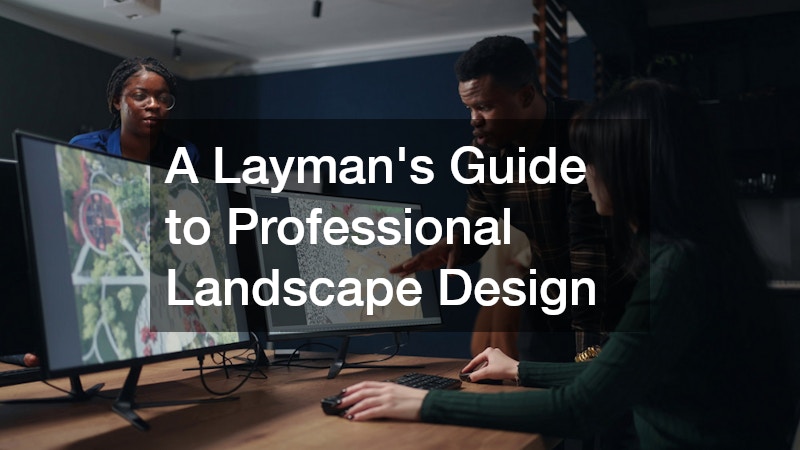
Next comes site analysis and concept development. Measurements are taken, photos are reviewed, and environmental factors are assessed. The designer then creates a preliminary concept, often in the form of sketches or digital renderings. These visuals help you understand how the finished landscape might look and allow for adjustments before any construction begins.
Once the concept is approved, a detailed design plan is created. This may include plant selections, material specifications, layout drawings, and installation notes. Some homeowners work with the same professional for both design and installation, while others hire contractors to build the plan. Either way, a well-prepared design serves as a roadmap, reducing guesswork and costly changes later.
Communication is key throughout the process. Asking questions and providing feedback ensures the final result reflects your vision while benefiting from professional expertise. A good landscape designer educates clients rather than overwhelming them with technical language.
Why Hiring a Professional Is Worth It

While it may be tempting to design a landscape on your own, professional input often saves time and money in the long run. A trained landscape designer understands plant compatibility, spacing, and maintenance needs, helping avoid common mistakes like overcrowding or poor placement. They also know local regulations, drainage requirements, and sustainable practices that protect your investment.
Another advantage is cohesion. Professional designs tie all elements together, creating a unified look rather than a collection of unrelated features. This not only improves daily enjoyment but can also increase property value. Buyers often respond positively to thoughtfully designed outdoor spaces that feel usable and inviting.
Professionals also help prioritize spending. Instead of investing in features that may not last or suit your needs, a landscape designer guides you toward choices that deliver lasting value. Designs can be phased so improvements happen over time without sacrificing the overall vision.
In simple terms, professional landscape design brings structure to creativity. By working with a landscape designer, homeowners gain clarity, confidence, and a clear plan for transforming outdoor spaces into environments that are both beautiful and practical.