Your home’s foundation is more than just a structural base—it’s the key to the stability and safety of your entire property. Over time, soil movement, water damage, or natural settling can compromise this essential support system. Ignoring early signs of foundation issues can lead to expensive repairs, decreased property value, and even safety hazards. Understanding whether your home requires foundation leveling or full foundation repair is critical to protecting your investment and ensuring long-term stability.
Do You Need Foundation Leveling?
Foundation leveling is a process that corrects minor shifts or uneven settling in a home’s foundation. Unlike major repairs, leveling typically addresses small deviations that cause floors, walls, or doorways to tilt.
Techniques often include installing piers, injecting polyurethane foam under the foundation, or using other methods to restore a level surface. The goal is to stabilize the foundation and prevent further movement before more serious damage occurs.
Several indicators suggest that foundation leveling may be necessary. Uneven or sloping floors are often the most visible sign, but other symptoms include doors and windows that stick or fail to close properly, small cracks in walls or ceilings, and gaps around window frames or baseboards. These issues may seem minor at first, but they can quickly worsen if not addressed, signaling the need for professional evaluation.
Acting promptly on leveling issues provides multiple advantages. First, it can prevent minor shifts from escalating into serious structural problems, saving significant repair costs in the long run. Second, it maintains the safety and comfort of your home, ensuring doors and windows function correctly and floors remain stable. Lastly, timely leveling can protect your property’s value by avoiding visible damage that can deter potential buyers.
Do You Need Full Foundation Repair?
While leveling addresses minor settling, full foundation repair is necessary when damage is extensive. Common causes include severe soil erosion, water infiltration, poor original construction, or seismic activity. Signs of serious foundation damage include large cracks in walls or floors, noticeable tilting or sinking, separated or sagging sections of the home, and doors or windows that no longer fit in their frames. Ignoring these symptoms can lead to structural failure, making professional intervention essential.
Foundation repair services encompass a variety of techniques tailored to the severity and type of damage. Traditional methods include piering, which uses steel or concrete piers to stabilize and lift the foundation, and slabjacking, which injects a mixture beneath a concrete slab to level it. In more extreme cases, sections of the foundation may need to be replaced entirely. A licensed professional can assess which method is most effective for your specific situation, ensuring long-term stability and safety.
The cost of full foundation repair varies based on several factors: the extent of damage, the repair method, the size of the home, and regional pricing. Minor leveling or stabilization may cost a few thousand dollars, while extensive repairs for severely damaged foundations can reach tens of thousands. Investing in prompt repair not only prevents further damage but also safeguards your property value, making a professional assessment a financially prudent step.
Foundation Repair vs. Leveling: What’s the Difference?
The distinction between foundation leveling and full repair lies primarily in severity and scope. Leveling addresses uneven settling and minor structural shifts without replacing significant parts of the foundation. Full foundation repair, on the other hand, is necessary when structural integrity is compromised, and parts of the foundation require replacement or reinforcement. Understanding these differences is crucial to choosing the right solution for your home.
Deciding between leveling and full repair depends on the severity and cause of the foundation issue. Minor cracks, sticking doors, and uneven floors may only require leveling. Conversely, extensive cracks, sinking areas, and structural instability indicate the need for comprehensive repair. In all cases, early detection and prompt action can prevent minor problems from escalating into costly, complex repairs.
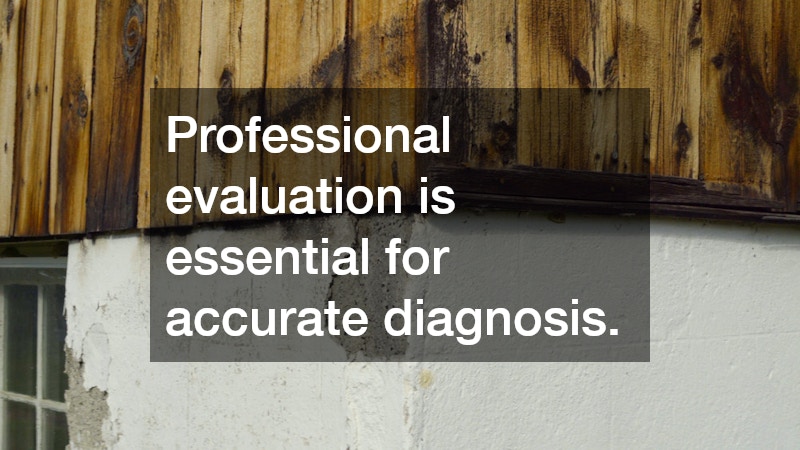
Professional evaluation is essential for accurate diagnosis. Experienced contractors specializing in foundation repair services can identify the root cause of foundation issues, recommend the most effective solution, and provide an estimate of costs. Attempting DIY fixes or delaying professional consultation can result in further damage and higher repair expenses.
Maintaining a stable foundation is essential to the safety, value, and longevity of your home. Foundation leveling is appropriate for minor settling, while full foundation repair is required for serious structural damage. Recognizing the signs early and consulting with professionals ensures timely intervention, protects your property, and minimizes future costs. Whether you require leveling or comprehensive repair, addressing foundation issues promptly is always the most practical and cost-effective approach.