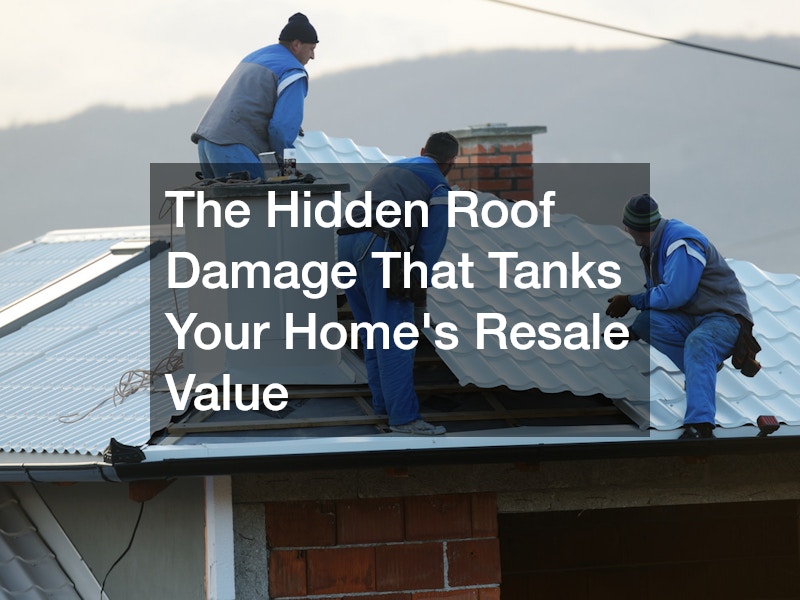
When it comes time to sell your home, buyers and inspectors will scrutinize your roof far more closely than you might expect. Small, invisible problems today can snowball into deal-breaking red flags that scare off buyers or force you to slash your asking price. Understanding what hides beneath your shingles, flashing, and gutters can help you protect one of your biggest financial investments. This guide walks through the roof-related issues that quietly erode home value and what you can do before they become expensive surprises.
Sagging Rooflines and Structural Weakness
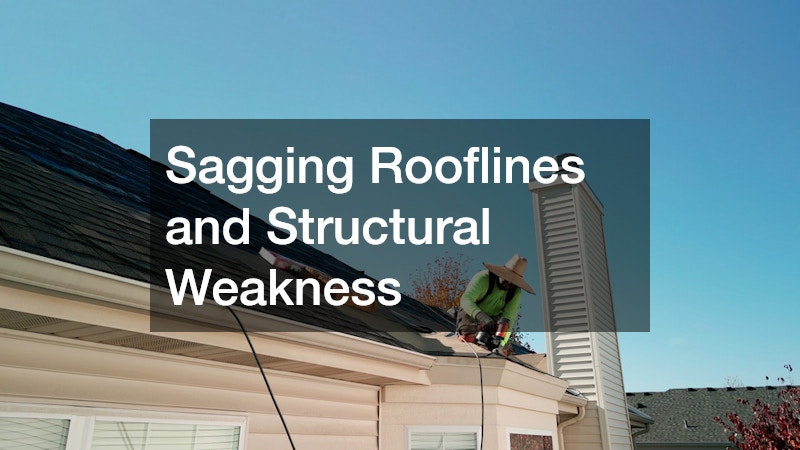
A roof that appears to dip or sag in the middle is often a sign of deeper structural trouble, such as weakened decking, rotting rafters, or years of moisture damage that went unaddressed. Home inspectors are trained to spot these irregularities immediately, and buyers tend to view them as major warning signs even if the rest of the house looks great. Left untreated, structural sagging can compromise the entire roofing system and lead to costly repairs during negotiations.
Getting a professional evaluation from experienced roofing contractors before listing your home can help you catch these problems early and address them on your own terms. Waiting until a buyer’s inspector finds the issue almost always costs more, both in repair expenses and in lost negotiating leverage.
- Visible dips or waves along the roofline
- Interior ceiling cracks or bowing
- Doors and windows that stick due to frame shifting
- Sounds of creaking or popping during weather changes
Hidden Water Intrusion Behind Walls and Ceilings
Water stains are the most obvious clue, but by the time they appear on your ceiling, moisture has often been seeping through your roof for months. This slow intrusion can rot wood framing, ruin insulation, and create the perfect environment for mold growth behind walls where you can’t see it. Buyers who spot even a faint stain will often assume the worst and either walk away or demand a steep price reduction.
A thorough roof inspection combined with attention to attic ventilation can reveal whether water intrusion is an isolated incident or an ongoing problem. Addressing the source immediately protects both your home’s structural integrity and its resale appeal.
- Discolored or peeling paint near ceiling edges
- Musty odors in upper-floor rooms or closets
- Soft or spongy spots on the roof deck
- Warped or buckled attic insulation
Termite and Wood-Destroying Insect Damage
Many homeowners focus on shingles and flashing but overlook the wooden components of their roof structure, including fascia boards, soffits, and rafters, which are prime targets for termites and other wood-boring insects. Once these pests establish a colony, they can silently hollow out structural wood for years before any visible damage appears. A pre-listing termite treatment is one of the smartest investments a seller can make, since pest damage disclosures can spook buyers and trigger lender-required repairs before closing.
- Small holes or tunnels in exposed wood beams
- Discarded insect wings near windows or attic vents
- Hollow-sounding wood when tapped
- Sagging fascia boards along the roofline
Clogged and Damaged Gutter Systems
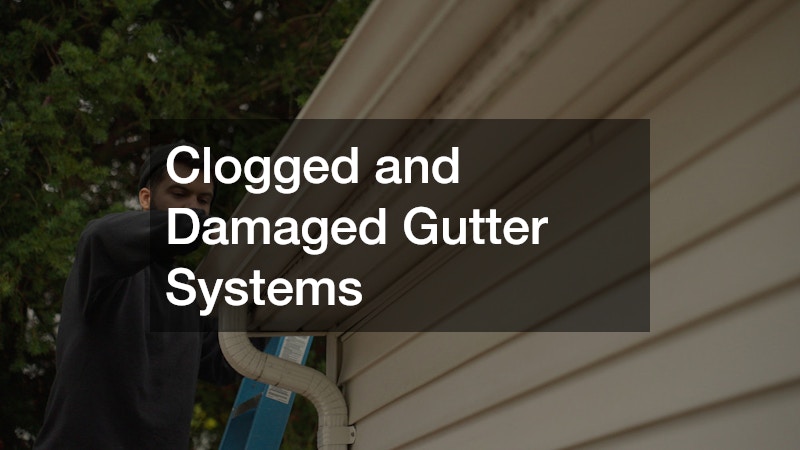
Gutters do more than direct rainwater away from your home; they protect your roof edges, siding, and foundation from water damage that can compound over time. A well-functioning system moves hundreds of gallons of water away from your house during a single heavy storm, so even small malfunctions can have an outsized impact.
When gutters are clogged, cracked, or pulling away from the roofline, water can back up under shingles and seep into the fascia, causing rot that spreads quickly. Sagging sections, visible rust streaks, and peeling paint near the roofline are all telltale signs that water is overflowing where it shouldn’t. Left unaddressed, this moisture intrusion can migrate into attic insulation and framing, turning a simple drainage issue into a structural repair bill.
Home inspectors flag deteriorating gutter systems almost as often as they flag roofing issues, and buyers often use it as a bargaining chip to knock thousands off an offer. In many cases, a full gutter replacement is more cost-effective than repeated patch repairs, especially if the existing system is more than fifteen years old or made from thin, low-grade aluminum prone to bending and pulling loose.
When budgeting for gutter replacement, consider upgrading to seamless aluminum or copper systems with properly sized downspouts, since undersized gutters are a common culprit behind chronic overflow. Adding gutter guards at the same time can further reduce maintenance costs and protect your investment for years to come.
Buyers often check gutters during a walkthrough since sagging sections, rust stains, and peeling paint are easy to spot from the ground. Even small details—like gutters pulling away from the fascia or visible water streaks on siding—signal deferred maintenance and make buyers wonder what else has been neglected.
The real concern goes beyond appearances. Clogged gutters cause water to back up under roof shingles and pool along the roofline, leading to rot, mold, and even foundation issues if runoff isn’t directed away from the house properly. Home inspectors flag these problems routinely, and they often end up as negotiation points that cost sellers far more than a simple cleaning would have.
Replacing damaged sections or installing gutter guards before listing—typically a $150 to $600 investment depending on home size—prevents this kind of water-related roof damage while also boosting curb appeal, which plays a surprisingly large role in first impressions. Fresh, properly aligned gutters paired with clean downspouts give the whole exterior a well-maintained look that reassures buyers before they even step inside.
- Visible rust spots, streaking, or separated seams where sections pull apart and leak behind the fascia
- Water pooling near the foundation after rain, a sign gutters aren’t directing runoff at least 3-5 feet away from the house
- Plant growth, moss, or debris buildup inside gutter channels that traps moisture against the roof edge and fascia
- Gutters sagging, pulling away from the fascia board, or hanging at an uneven pitch that stops water from draining properly
- Peeling paint or dark staining on siding beneath the gutter line, often the first clue of a slow, hidden overflow
- Bent or missing hangers and brackets, which let heavy gutters sag under the weight of wet leaves or ice
Poor Attic Ventilation and Heat Buildup
An improperly ventilated attic traps heat and moisture, which accelerates shingle deterioration from the underside where you can’t easily inspect it. In summer, poorly ventilated attics can reach 150 degrees or more, cooking the shingles from below while trapped moisture in winter promotes mold, mildew, and rotting decking. This hidden damage often goes unnoticed until a roof is only a few years into its expected lifespan yet already showing signs of premature aging, like curling shingles, sagging decking, or dark streaking along the roofline.
Appraisers and home inspectors know exactly what these warning signs mean, and they’ll flag them during a resale evaluation even if the roof looks fine from the street. A buyer’s inspector may also check the attic for proper balance between intake and exhaust ventilation, since even a newer roof can be quietly failing if the airflow underneath it is inadequate.
Poor ventilation can also strain your home’s HV AC repair needs, since trapped heat forces your cooling system to work harder during summer months to offset the added thermal load pushing down from above. Over time, this added strain can mean more frequent AC repair calls, higher utility bills, and a shorter lifespan for equipment that a buyer will factor into their offer. When these issues stack up, they signal to potential buyers that the home comes with looming expenses, giving them leverage to negotiate the price down or walk away entirely.
Attics need a steady flow of air in through soffit or eave vents and out through ridge, gable, or roof-mounted vents. When intake and exhaust aren’t balanced — say, plenty of ridge venting but blocked or insufficient soffit vents — hot, moist air gets trapped instead of properly cycling out. As a rule of thumb, most building codes call for 1 square foot of ventilation for every 150 square feet of attic floor space, split roughly evenly between intake and exhaust.
Poor ventilation causes summer attic temperatures to climb well above 130°F, which bakes asphalt shingles from underneath and accelerates the breakdown of adhesives and granules years ahead of schedule. In winter, that same trapped heat melts snow unevenly on the roof, creating ice dams that force water backward under the shingles and into the decking. Over time, this cycle warps roof sheathing, promotes mold growth, and can even shorten the lifespan of insulation.
This is a detail that savvy buyers and their inspectors will ask about, especially in older homes where vents may have been painted over, blocked by insulation, or never properly installed in the first place. A home inspector who spots discoloration on the roof deck, musty attic odors, or curling shingles will likely flag ventilation as a red flag worth negotiating over. Fixing it before listing — sometimes as simple as adding a few vents or clearing blocked soffits — is far cheaper than watching it chip away at your sale price later.
- Excessive attic heat even with insulation installed, often exceeding 150°F on summer afternoons and signaling blocked soffit or ridge vents rather than an insulation problem
- Ice damming along roof edges in winter climates, where trapped heat melts snow that refreezes at the colder overhang, forcing water under shingles
- Curling or cracking shingles in patches, typically concentrated near the ridge where hot air lingers longest and ages roofing material prematurely
- Higher-than-expected cooling costs during summer, sometimes 10-15% above similar homes, as HVAC systems work overtime against radiant heat from the attic
- Musty odors or visible mold on rafters, a sign that trapped humidity is condensing on wood surfaces instead of escaping outside
- Warped or sagging roof decking, which inspectors flag quickly and buyers often use to negotiate a lower offer
Deteriorating Flashing Around Roof Penetrations
Flashing seals the vulnerable points where your roof meets chimneys, vents, skylights, and walls, and when it deteriorates, it becomes one of the most common sources of leaks. Because flashing failures are often small and localized, they can go undetected for a long time while quietly causing water damage to surrounding materials. Inspectors pay close attention to these areas, and rusted or cracked flashing is a frequent item on pre-sale repair lists.
- Rust streaks running down from chimney bases
- Cracked or lifted metal edges around vents
- Gaps where flashing meets shingles
- Visible caulking that has dried out or separated
Aging Shingles Nearing the End of Their Lifespan
Shingles naturally wear out over time, and buyers today are savvy enough to ask about the age and condition of a roof before making an offer. A roof nearing the end of its expected lifespan, even if it isn’t actively leaking, can be used as leverage to negotiate a lower sale price or request a credit at closing. Consulting with residential roofing specialists about remaining lifespan and replacement costs gives you a realistic picture of what buyers will see during their own evaluations.
Granule loss, brittleness, and curling edges are all signs that a roof is aging faster than it should. Addressing these signs proactively, rather than waiting for a buyer’s inspector to flag them, keeps you in control of the negotiation process.
- Bald spots where granules have worn away
- Cracked or curling shingle edges
- Dark streaks from algae or moss growth
- Multiple repair patches from previous years
Water Damage That Spreads Into Plumbing and Fencing
Roof leaks rarely stay contained to the roof itself; water can travel down through walls and affect plumbing vents, pipe seals, and even exterior structures on your property. In some cases, homeowners discover that persistent roof leaks have damaged shared wall cavities where plumbing runs, requiring coordination between plumbing companies and roofing repair crews to resolve fully. Excess runoff from a poorly maintained roof can also pool near property lines and accelerate rot in a wood fence, which detracts from curb appeal during showings.
- Water stains near plumbing vent stacks
- Soft or rotting fence posts near downspout runoff areas
- Mold growth in shared wall cavities
- Unexplained increases in water usage from hidden leaks
Pest Infestations Linked to Roof Damage

Beyond termites, damaged rooflines create entry points for rodents, birds, and insects looking for shelter, and these infestations can cause additional damage to insulation and wiring. A comprehensive pest control plan addresses both the immediate infestation and the structural gaps that invited pests in the first place. Buyers who discover evidence of pest activity during a showing often assume broader maintenance neglect, which can affect their overall impression of the home’s condition.
- Chewed insulation or exposed wiring in the attic
- Nesting materials near roof vents or soffits
- Scratching sounds coming from the ceiling
- Droppings or gnaw marks near roof access points
Financing Roof Repairs Before Selling Your Home
Major roof repairs or a full replacement can feel financially overwhelming, especially when you’re also preparing to move and cover closing costs. Many homeowners explore personal loans as a way to fund necessary repairs upfront, since a functional, updated roof typically returns more value at sale than its repair cost. Comparing loan terms and interest rates carefully ensures the financing decision supports your overall selling strategy rather than eating into your final profit.
It’s also worth getting multiple repair estimates before committing to a loan amount, since costs can vary significantly depending on the scope of damage and materials needed. Planning your budget around verified quotes, rather than rough guesses, helps you avoid over-borrowing.
- Compare fixed versus variable interest rate options
- Request itemized repair estimates before applying
- Factor repayment timelines into your home sale timeline
- Avoid borrowing more than the projected value increase
Hidden roof damage doesn’t just threaten your home’s structural integrity; it directly impacts how much buyers are willing to pay when it’s time to sell. Taking a proactive approach, from inspecting flashing and gutters to addressing pest activity and aging shingles, puts you in control of your home’s value rather than leaving it to a buyer’s inspection report. Start with a professional assessment so you know exactly what you’re working with before listing. The sooner you address these issues, the stronger your negotiating position will be.